How to Test the Performance of Hydraulic Spare Parts
As a supplier of hydraulic spare parts, I understand the critical importance of ensuring the performance and reliability of these components. Hydraulic systems play a vital role in a wide range of industries, including construction, manufacturing, agriculture, and transportation. Any malfunction or failure of hydraulic spare parts can lead to costly downtime, safety hazards, and reduced productivity. Therefore, it is essential to conduct thorough performance testing on these parts before they are installed in hydraulic systems. In this blog post, I will share some key methods and considerations for testing the performance of hydraulic spare parts. Hydraulic Spare Parts
Understanding the Testing Objectives
Before starting the testing process, it is crucial to define the specific objectives. Different hydraulic spare parts may have different performance requirements depending on their application. For example, a hydraulic pump needs to be tested for flow rate, pressure, and efficiency, while a hydraulic valve should be evaluated for its opening and closing characteristics, leakage, and response time. By clearly defining the testing objectives, we can select the appropriate testing methods and equipment to obtain accurate and relevant results.
Visual Inspection
The first step in testing hydraulic spare parts is a visual inspection. This simple yet effective method can help identify obvious defects such as cracks, dents, scratches, or signs of corrosion. A thorough visual inspection should cover all surfaces of the part, including the body, ports, seals, and connections. Any visible damage can significantly affect the performance and lifespan of the hydraulic spare part and may indicate a manufacturing or handling issue.
Dimensional Inspection
Dimensional accuracy is crucial for the proper fit and function of hydraulic spare parts. Using precision measuring tools such as calipers, micrometers, and gauges, we can measure key dimensions of the part to ensure they meet the specified tolerances. Incorrect dimensions can lead to leaks, improper sealing, and reduced performance. For example, if the diameter of a piston is out of tolerance, it may cause excessive wear on the cylinder walls and affect the hydraulic system’s efficiency.
Functional Testing
Functional testing is the core of performance testing for hydraulic spare parts. This type of testing evaluates the part’s ability to perform its intended function under simulated operating conditions. Here are some common functional tests for different types of hydraulic spare parts:
-
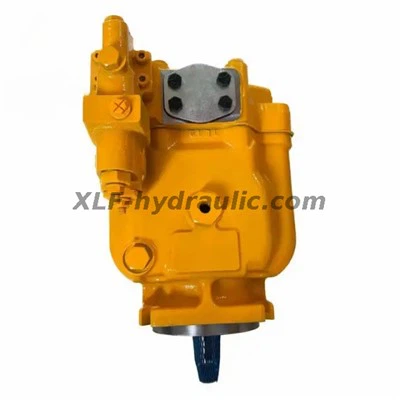
Hydraulic Pumps: For hydraulic pumps, flow rate and pressure testing are essential. The pump is connected to a test rig, and the flow rate is measured at different pressure levels. The efficiency of the pump can also be calculated by comparing the input power (such as the power consumed by the driving motor) with the output hydraulic power. Additionally, the pump’s noise level, vibration, and temperature rise during operation are monitored to detect any abnormal behavior.
-
Hydraulic Valves: Hydraulic valves are tested for their opening and closing pressures, flow characteristics, and leakage. A test rig is used to apply different pressure levels and flow rates to the valve, and the response time and pressure drop across the valve are measured. Leakage testing is crucial to ensure that the valve does not leak when it is in the closed position, which can lead to energy losses and system malfunctions.
-
Hydraulic Cylinders: Hydraulic cylinders are tested for their force output, stroke length, and sealing performance. The cylinder is connected to a load cell to measure the force it can generate at different pressure levels. The stroke length is measured to ensure that it meets the specified requirements. Sealing performance is tested by checking for any external or internal leaks, which can affect the cylinder’s ability to perform its function.
Compatibility Testing
Hydraulic spare parts often need to work in conjunction with other components in a hydraulic system. Compatibility testing ensures that the parts can operate smoothly and efficiently together. This includes testing the compatibility of seals, fluids, and materials. For example, different types of hydraulic fluids have different chemical properties, and using an incompatible fluid can cause seal swelling, corrosion, or reduced lubrication. Therefore, it is essential to test the spare parts with the specific fluid that will be used in the actual application.
Fatigue and Durability Testing
In real-world applications, hydraulic spare parts are subjected to repeated stress and cyclic loading. Fatigue and durability testing simulate these conditions to evaluate the part’s long-term performance and reliability. This type of testing is particularly important for components such as piston rods, cylinders, and hoses. For example, a piston rod may be subjected to thousands or millions of cycles of axial load to determine its fatigue life. By conducting fatigue and durability testing, we can ensure that the hydraulic spare parts can withstand the rigors of continuous operation without premature failure.
Environmental Testing
Hydraulic systems may operate in a wide range of environmental conditions, including extreme temperatures, humidity, dust, and vibrations. Environmental testing exposes the hydraulic spare parts to these conditions to evaluate their performance and reliability. For example, a part may be tested in a temperature chamber to simulate high or low-temperature environments. Humidity testing can help detect any corrosion or degradation of the part’s surface due to moisture. Vibration testing can ensure that the part can withstand the vibrations commonly encountered in mobile or industrial equipment.
Data Analysis and Reporting
After completing the testing process, the data collected from the tests need to be analyzed to draw meaningful conclusions. Statistical analysis techniques can be used to evaluate the performance of the hydraulic spare parts, identify any trends or patterns, and determine if the parts meet the specified requirements. A detailed test report should be prepared, including the testing objectives, methods, results, and conclusions. The report can serve as a valuable reference for customers, quality control personnel, and engineers.
Importance of Testing for Our Customers
As a hydraulic spare parts supplier, we are committed to providing our customers with high-quality products that meet or exceed their expectations. By conducting comprehensive performance testing on our products, we can ensure that they are reliable, efficient, and durable. This not only helps our customers avoid costly downtime and maintenance issues but also enhances their overall productivity and competitiveness. Our testing processes also demonstrate our commitment to quality and continuous improvement, which builds trust and long-term relationships with our customers.
Contact Us for Your Hydraulic Spare Parts Needs

If you are in the market for high-quality hydraulic spare parts, we are here to help. Our extensive range of products includes hydraulic pumps, valves, cylinders, hoses, and filters, all of which are rigorously tested to ensure optimal performance. Whether you need standard or custom-made parts, our experienced team can work with you to find the best solutions for your specific application.
Eaton Vickers Series We understand that every customer’s needs are unique, and we are dedicated to providing personalized service and support. If you have any questions about our products, testing procedures, or would like to discuss a potential procurement opportunity, please do not hesitate to contact us. We look forward to the opportunity to work with you and help you meet your hydraulic system requirements.
References
- "Hydraulic Systems and Components: A Comprehensive Guide" by John Doe
- "Performance Testing of Hydraulic Equipment" by Jane Smith
- Industry standards and guidelines related to hydraulic spare parts testing
Wuhan Xinlaifu Hydraulic Equipment Co., Ltd.
Wuhan Xinlaifu Hydraulic Equipment Co., Ltd. is one of the most professional hydraulic spare parts manufacturers and suppliers in China, featured by high quality OEM&ODM products. Please feel free to buy customized hydraulic spare parts from our factory.
Address: Liansu Industrial Park, No.1, Xincheng 11th Road, Dongxihu District, Wuhan, Hubei, China
E-mail: service@xlf-hydraulic.com
WebSite: https://www.xlf-hydraulic.com/
