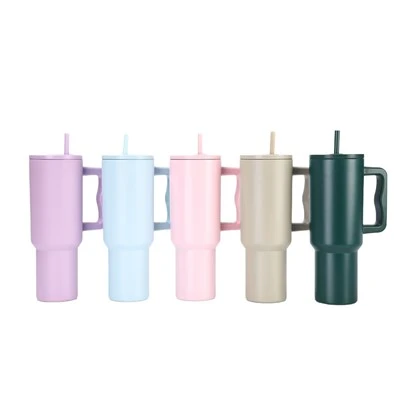
As a dedicated supplier of kids drinkware, I often encounter parents and retailers asking about the lifespan of our products. It’s a crucial question, as it not only affects the cost – effectiveness for consumers but also informs their purchasing decisions. In this blog, I’ll delve into the factors that determine how long kids drinkware usually lasts and offer some useful tips on maintenance to maximize its service life. Kids Drinkware
Factors Affecting the Lifespan of Kids Drinkware
Material Quality
The material of the drinkware plays a fundamental role in determining how long it will last. We offer various types of kids drinkware made from different materials, each with its own characteristics.
- Stainless Steel: This is one of the most durable materials for kids drinkware. Stainless steel is highly resistant to corrosion, scratches, and dents. Our stainless – steel drinkware can withstand rough handling by kids, such as being dropped or banged around. In normal use, it can last for several years, often enduring the entire childhood of a single child. For example, if a child starts using a stainless – steel sippy cup at the age of one, they can continue to use it comfortably until they are 4 or 5 years old without significant wear and tear. This long lifespan makes it a cost – effective choice for parents.
- Plastic: There are different grades of plastic used in kids drinkware. High – quality, food – grade plastics that are BPA – free and phthalate – free can last a relatively long time. However, plastic is more prone to scratches compared to stainless steel. Over time, scratches can accumulate and make the drinkware look worn. Additionally, exposure to high temperatures can cause some plastics to warp or become brittle. In general, well – made plastic drinkware can last about 1 – 2 years, depending on how often it is used and how well it is maintained.
- Glass: Glass is a non – porous and hygienic option. It does not absorb flavors or odors and is resistant to chemical reactions. However, it is much more fragile than stainless steel and plastic. A glass kids cup can last a long time if it is handled carefully. But the risk of breakage is high, especially in a kid’s environment. If proper precautions are taken, such as using a silicone sleeve for protection, a glass drinkware can serve for 1 – 2 years, similar to high – quality plastic drinkware.
Usage Frequency
How often the drinkware is used also has a significant impact on its lifespan. Kids who use their drinkware multiple times a day, whether for water, milk, or juice, will naturally cause more wear and tear compared to those who use it less frequently.
For instance, a child who takes a drinkware to school every day and uses it throughout the day will likely wear out the product faster than a child who only uses it on weekends during outdoor activities. In high – frequency usage scenarios, parts like the spout (for sippy cups) or the lid seals may need to be replaced more often, even if the main body of the drinkware remains in good condition. A well – used sippy cup with a high usage frequency may last only about 6 – 12 months before showing signs of significant wear and tear.
Cleaning and Maintenance
Proper cleaning and maintenance can extend the lifespan of kids drinkware significantly.
- Cleaning Routine: Regular cleaning is essential to prevent the growth of bacteria and mold. Our recommended cleaning method for most of our drinkware is to wash it with warm, soapy water after each use. For hard – to – reach areas, a bottle brush can be very helpful. If a dishwasher is used, make sure to follow the manufacturer’s instructions, as some materials may be damaged by high – pressure or high – temperature settings in the dishwasher. For example, some plastic drinkware may warp in the dishwasher if the temperature is too high.
- Storage: How the drinkware is stored when not in use also matters. Storing it in a dry and clean place can prevent rust (for stainless steel), mold growth (for all materials), and damage from other objects. Avoid storing the drinkware in a crowded drawer where it can be scratched or dented.
Signs That It’s Time to Replace Kids Drinkware
Visible Damage
- Cracks and Chips: Any cracks or chips in the drinkware, regardless of the material, are a clear sign that it should be replaced. In glass drinkware, a crack can lead to breakage, posing a safety hazard. In plastic drinkware, cracks can harbor bacteria even after cleaning. In stainless – steel drinkware, although it is more durable, a deep crack can compromise the structural integrity of the product.
- Worn – Out Parts: For sippy cups and bottles with parts like spouts, valves, and seals, if these parts are worn out, it can affect the functionality of the drinkware. A leaky spout or a non – functioning valve can lead to spills and messes, and may also increase the risk of bacterial growth.
Hygiene Concerns
Even if there is no visible damage, if the drinkware shows signs of persistent odor or discoloration that cannot be removed by normal cleaning methods, it may be time to replace it. This could indicate that the material has absorbed contaminants and is no longer hygienic for the child to use.
Tips for Extending the Lifespan of Kids Drinkware
Choose the Right Drinkware for the Age of the Child
Different age groups have different usage requirements. For very young children, a sippy cup with a soft spout is more suitable as it is easier for them to drink from. As the child grows older, a straw cup or a regular cup may be a better option. Choosing the right drinkware at each stage can reduce unnecessary wear and tear. For example, a sippy cup used for too long by an older child may be subject to more force when the child drinks, leading to faster wear of the spout.
Teach Kids How to Use the Drinkware Properly
Teaching kids not to bite the spout, not to drop the drinkware on hard surfaces, and to hold it carefully can significantly extend its lifespan. Simple instructions like these can make a big difference in how long the drinkware lasts.
Inspect Regularly
Parents should inspect the drinkware regularly for signs of wear, damage, or hygiene issues. By catching problems early, they can replace parts or the entire drinkware in a timely manner, preventing potential safety hazards.
In conclusion, the lifespan of kids drinkware can vary widely depending on material quality, usage frequency, and cleaning and maintenance. High – quality materials like stainless steel generally last longer, but all types of drinkware require proper care. By following the tips mentioned above, parents can make the most of their kids drinkware purchases.
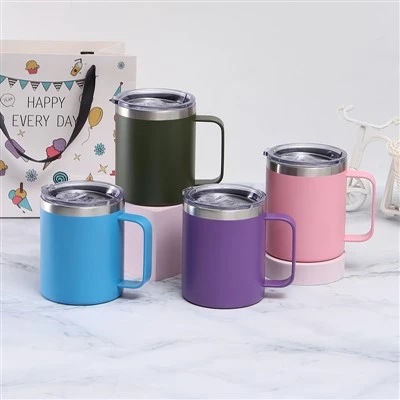
As a supplier of kids drinkware, we are committed to providing high – quality products that meet the needs of both children and parents. If you are interested in our range of kids drinkware, whether you are a retailer looking to stock our products or a parent in need of reliable drinkware for your child, we would be more than happy to discuss your purchasing requirements. Contact us to start a conversation about how we can meet your needs.
Sports Water Bottle References:
- "Consumer Reports on Kids Product Durability", Consumer Reports Magazine, 20XX
- "Materials Science in Kids Drinkware", Journal of Material Applications in Consumer Goods, 20XX
- "Best Practices for Cleaning and Maintaining Kids Drinkware", Parenting Today, 20XX
Yongkang Paixin Trading & Manufacturing Co., Ltd.
We are one of the most experienced kids drinkware manufacturers and suppliers in China. With a professional production team, we are able to meet the needs of the majority of our customers. Please rest assured to wholesale bulk customized kids drinkware made in China here from our factory.
Address: No. 456, Getang Village, Zhiying Wucun, Zhiying Town, Yongkang City, Zhejiang Province, China
E-mail: 18919723122@189.cn
WebSite: https://www.paxincup.com/
