Hey there, let’s cut to the chase if you’re knee-deep in sourcing air compressors—you’ve definitely run into two big players: oil-free screw compressors and oil-lubricated ones. I’ve been in the oil-free game for years as a supplier, talking shop with manufacturing folks, food processing teams, medical device makers, and even people in pharmaceuticals every single week, so let’s skip the jargon and get real about how these two work, where they shine, and why picking the right one isn’t just a box-ticking exercise. Oil-Free Screw Compressor

First, let’s start with the basics of how both work, because that’s where the oil difference hits you right out the gate. Screw compressors, at their core, use two interlocking rotors (male and female, like a fancy set of gears) that spin to suck in air, trap it in the chambers between the rotor lobes, and squeeze it to the pressure you need. That’s where the similarity ends, though, especially when oil enters the mix.
For oil-lubricated screw compressors, oil isn’t just a lubricant—it’s a workhorse here. When those rotors spin, oil is injected directly into the compression chamber on purpose. Why? First, it cools everything down—squeezing air makes it hot, and without that oil, metal parts would overheat, wear out way faster, and even seize up. Second, it seals the tiny gaps between the rotors and the compressor housing. Even the tiniest gap in a compressor would let air leak, dropping efficiency hard, so that oil acts like a liquid gasket to keep the compression tight. Third, it lubricates the rotors and bearings to stop metal-on-metal grinding, which would destroy the unit in no time. Makes sense, right? It’s a simple, old-school trick that’s been around for decades, and it works well for a lot of applications.
Now, oil-free screw compressors—my whole lane, so let’s get into the details. The key here is obvious from the name: there’s no oil in the compression chamber. None. Nada. So how do they seal, cool, and lubricate without it? That’s where the engineering magic comes in, and honestly, it’s way smarter than people think it is. The rotors and housing are precision-machined to insanely tight tolerances—like, to thousandths of an inch tight—so instead of oil doing the sealing, the tiny gaps between the lobes and the housing are just super small. No air leaks through there because there’s nowhere for it to go, basically. For lubrication, the bearings and rotors are coated with something like a high-performance polymer or made from self-lubricating materials (think PTFE or specialized ceramic composites) that don’t need oil to run. And cooling? Oil-free units use air or water jackets wrapped around the compressor housing to pull heat away, instead of mixing oil directly with the compressed air. That means no oil gets into the air stream, which is the big, huge difference that matters most for most of my customers.
Let’s talk about performance differences, because that’s what makes or breaks a project. Let’s start with air quality—this is the non-negotiable for so many industries. If you’re making food and drinks, or pharmaceutical drugs, or medical devices, compressed air can’t have even trace amounts of oil. Imagine bottling soda and getting a whiff of compressor oil in your drink, or making an inhaler that has oil residue—total disaster, not to mention a safety hazard. Even if you’re just painting cars, oil in the air can mess up the finish, causing spots, runs, or peeling paint that you have to sand and redo. Oil-lubricated compressors put oil vapor and tiny oil mist particles into the compressed air, so you need a bunch of filters after the compressor to remove it—filters that cost money, take up space, and need changing every few months. Even then, some oil always slips through, no matter how good your filters are. Oil-free compressors, though, deliver Class 0 oil-free air (that’s the highest ISO rating for compressed air purity) straight out of the unit. No filters required to get oil-free air, so less maintenance, less downtime, less money spent long-term.
Efficiency is another big one. Wait, I know what you’re thinking—“oil-free sounds fancy, but is it actually efficient?” Let’s be real, old-school oil-lubricated units have a head start because oil cools the compression process so well, right? But here’s the catch: all that oil you inject? You have to separate it from the compressed air, and that separation system is not perfect. There’s always some oil left in the air, and the separation process itself takes energy. Then you have to cool the oil (usually with an oil cooler) and circulate it back into the compressor, which uses more power. Add in the cost of changing oil, filters, and the separation elements—those add up quick. Oil-free units skip all that. No oil to separate, no oil filters to replace, no oil coolers to maintain. Even though the initial up-front cost is a bit higher (I won’t lie about that), over 5-10 years, oil-free units usually end up cheaper to run because of lower maintenance and no wasted energy from oil separation and cooling. That’s a big selling point for factory managers who watch their utility bills like a hawk.
Wait, but don’t sleep on pressure and flow stability. Both types can deliver consistent pressure, but oil-lubricated units tend to have a bit more fluctuation when demand is high, because the oil injection and separation takes a minute to adjust. Oil-free units, with their precision-machined rotors, give way more consistent pressure, which is critical for processes like laser cutting, where inconsistent air pressure can ruin cuts, or in lab equipment that needs exact air flow. That’s a win for industries that can’t afford random hiccups in production.
Now, let’s get into maintenance and downtime—this is where a lot of people get burned with oil-lubricated units. What do you have to do to keep an oil-lubricated compressor running? Every few thousand hours, you have to change the compressor oil (that’s a whole process—draining old oil, refilling with new, disposing of old oil properly, which is a hassle and a cost). Then you have to change the oil filter, the air filter, the separation element (that’s the big one—usually every 2-3 years, and it’s not cheap). If something goes wrong with the oil system—like a seal leaking oil, or the separation system failing—you’re looking at unplanned downtime, which is terrible for production lines. Oil-free units? The only maintenance is usually changing the air filter every once in a while, and checking the drive belts (if they’re belt-driven) or the motor bearings. No oil changes, no oil filters, no separation elements. That means less stops, more uptime, which is priceless for businesses that run 24/7.
Wait, but let’s be fair—oil-lubricated compressors aren’t bad. They’re perfect for certain use cases. If you’re a small woodworking shop that just needs a compressor to nail boards and sand, and you don’t care if there’s a little oil in the air, oil-lubricated is way cheaper upfront, and it’ll do the job for years. Or if you’re doing light painting, and you have good filters to remove the oil mist, you can save money there. But if you’re in any application where air purity matters, oil-lubricated is a headache waiting to happen.
Let’s talk about real-world examples from my customers, because that’s what matters. Last year, a craft brewery reached out to me because their old oil-lubricated compressor was messing up their beer line. They were getting a oily aftertaste in their lagers, and they lost a whole batch of 500 gallons before they realized the problem was oil in the compressed air. We installed an oil-free unit for them, and they haven’t had an issue since—they even cut their annual maintenance costs by like $2,000 a year because they don’t have to change oil or filters. Another customer is a medical device manufacturer that makes insulin pumps. They couldn’t use oil-lubricated at all because the air that powers the pump’s assembly has to be 100% oil-free to meet FDA standards. Oil-free was the only option, and they’ve been working with us for three years now, no downtime, no quality issues.
What about common myths I hear all the time? The biggest one is “oil-free compressors are way less durable.” No way. The precision coatings and materials we use now are way better than they were 20 years ago. I’ve got units that have been running 12 hours a day, 5 days a week for 7 years with zero major repairs. Another myth is “oil-free is only for small units.” Nope—we do oil-free screw compressors that deliver 500 CFM or more, enough for a whole production line. We’ve got clients with 10 oil-free units running their entire manufacturing facility.
So when do you pick which one? Let’s break it down quick for you: go oil-lubricated if you’re on a super tight budget upfront, you don’t need oil-free air, and your use case is light. Go oil-free if you need clean air for food, medical, pharmaceuticals, electronics, painting, or any process where oil would mess up product quality; if you want lower long-term maintenance and downtime; if your utility and labor costs are high enough that the efficiency savings add up.
As the oil-free compressor supplier, I’ve seen way too many businesses regret picking oil-lubricated just because it’s cheaper at first. They end up paying more in filters, oil changes, lost product, and downtime than they would have spent on a good oil-free unit. That’s why we take the time to talk through their specific needs—do they have 24/7 production? What’s their air quality requirement? How big is their facility? No one-size-fits-all, but oil-free is usually the smarter long-term play for any business that relies on compressed air for their core operations.
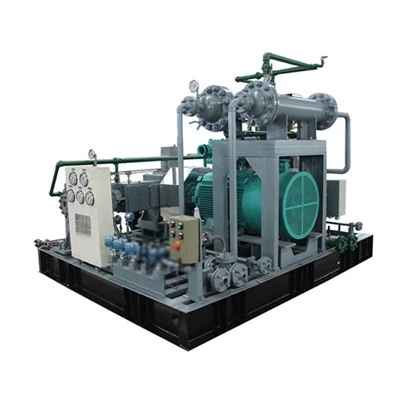
If you’re tired of dealing with oil leaks, filter changes, and air quality issues that are costing you money and production time, reach out to us to talk through your needs. We can help you figure out if oil-free is the right fit, and get you set up with a unit that’ll run smooth for years. Don’t settle for a compressor that’s going to cause headaches down the line—let’s get you the right air solution for your business.
High-Pressure Booster Air Compressor References
- Compressed Air and Gas Institute. Oil-Free vs. Oil-Lubricated Rotary Screw Compressors: Performance and Application Guidelines.
- ISO 8573-1:2010. Compressed Air – Part 1: Contaminants and Purity Classes.
- US Department of Energy. Pump and Compressed Air Systems Assessment Guide.
Shanghai Sollant Energy Saving Technology Co., Ltd.
As one of the most professional oil-free screw compressor manufacturers and suppliers in China, we’re featured by quality products and good service. Please rest assured to buy bulk durable oil-free screw compressor from our factory. Welcome to view our website for more information.
Address: No.215, Songri Center, Beihongqiao, Jiading District, Shanghai, China.
E-mail: info3@sollant.com
WebSite: https://www.sollant-gas.com/
