If you’ve ever driven past a highway tanker semi-trailer, you’ve probably stared at its big, shiny tank and wondered, “What even fits in that thing?” As a semi-trailer supplier who’s been working with these rigs for over a decade, I can tell you it’s not just any liquid—there’s a whole science behind what we can haul, and it’s way more specific than “stuff that pours.” I’ve spent countless hours with truckers, safety inspectors, and engineers to nail down which liquids make the cut, and why some are total no-gos for our tanker units. Let’s break it down like we’re chatting over a cold beer after a long day on the road. Semi Trailer

First, let’s get the basics straight: tanker semi-trailers aren’t one-size-fits-all. That’s the biggest mistake people make—they see a single tank on the road and assume all tankers do the same job. Wrong. We build different types, each calibrated for specific liquids, because a tanker hauling gasoline can’t touch what a milk tanker carries. It all comes down to two big things: compatibility (will the liquid eat through the tank’s lining or contaminate other stuff?) and compliance (we have to follow strict federal and state rules for hazardous materials, plus load stability to keep the rig from tipping on sharp turns).
Let’s start with the most common non-hazardous liquids, because those are the ones we move every single day. Wait, non-hazardous? That doesn’t mean “safe”—it just means they don’t have a flashpoint below 140°F or fall into the federal “hazardous materials” (HazMat) category. Take food-grade liquids, for example. If you drink a gallon of milk, eat a jar of pickles, or pour a bottle of vegetable oil on your salad, there’s a good chance it rode on one of our tankers. We have dedicated food-grade tankers with stainless steel linings that are easy to clean and sanitize between loads. No funky metal aftertaste, no cross-contamination—we’ve hauled everything from raw milk for dairy farms to maple syrup for syrup producers, even wine for small vineyards. Last year, we had a customer who hauled 5,000 gallons of apple cider vinegar for a major food brand; the only catch here is that we can’t mix that with anything else, so those tanks never carry gasoline or even laundry detergent. That’s a hard rule—cross-contamination isn’t just bad for business, it’s illegal.
Then there are agricultural non-hazardous liquids, which are huge for farms. Think fertilizer solutions (like liquid nitrogen fertilizer or urea liquid) that farmers mix into their soil, or even water for crop irrigation. Wait, water? Yeah, but not just any water—we haul bulk potable water for areas where municipal supply is down, like after a storm or during wildfire season. Those tanks are lined to keep water clean, so no rust or dirt leaches in. And for farms, we also handle liquid animal feed additives—things like molasses mixes that make feed more palatable for cattle or pigs. The key here is these liquids are non-corrosive, so they don’t eat through the tank’s steel or lining, and they don’t need HazMat certification for the driver. That’s a win-win for our customers, since HazMat drivers make more but are way harder to hire.
Now, let’s shift to the liquids that do count as HazMat—these are the ones that require extra training, specialized tanks, and strict paperwork. I’m talking about fuels, first and foremost. Gasoline, diesel, jet fuel, even kerosene—all of these move on our tanker semi-trailers. But we don’t use the same tank for diesel as we do for gasoline. Why? Gasoline is way more volatile, with a flashpoint around -45°F, so we need tanks with reinforced baffles (those little internal walls) to keep the fuel from sloshing around and causing the rig to lose control. Baffles split the tank into small sections, so the weight stays evenly distributed—no sudden lurching when you hit a stop sign. Diesel is a bit less volatile, so some of our fuel tankers have fewer baffles, but still enough to keep things stable. We also have separate tanks for unleaded vs. diesel, because mixing them would mess up the fuel’s octane rating or cause issues in engines. Last month, one of our drivers told me about a load of diesel that got contaminated with a tiny bit of gasoline—cost the customer thousands in lost fuel, and a week of downtime. That’s why we mark every tanker’s intended use in big, bold letters on the side.
Beyond fuels, there are other hazardous industrial liquids. Let’s talk about industrial chemicals—things like antifreeze, hydraulic fluid, and even some cleaning solvents. These liquids are non-flammable but can be toxic or corrosive, so we build tanks with special coatings to prevent leaks. For example, antifreeze (ethylene glycol) is corrosive if it sits in a regular steel tank too long, so we line those tanks with a protective polymer to keep the metal from rusting and the antifreeze from picking up rust particles. Hydraulic fluid? It’s thick, so we make sure the tanker’s pump system is strong enough to handle the viscosity—otherwise, you get stuck with a tanker full of goopy fluid that won’t flow out at the delivery point. Then there’s the stuff that’s super acidic, like battery acid (sulfuric acid) for car manufacturers or lead-acid battery plants. Those require heavy-duty steel tanks with a lead lining, because regular steel would dissolve in the acid. We don’t mess around with those—our safety team does extra inspections before every load, because a leak of battery acid can destroy pavement, kill plants, and even cause injuries if it touches skin.
Wait, what about the liquids that we absolutely can’t haul? That’s a question I get all the time, so I should clear that up too. First, we can’t haul anything that’s incompatible with our tank materials. For example, if someone shows up with a load of hydrofluoric acid, we’d have to turn them away—our tanks aren’t built for that. Second, we can’t haul solids, obviously—tankers are for liquids, so no gravel, no grain, no powder. Wait, hold on—what about sludge? Sludge is a semi-solid, right? Some types of industrial sludge (like water treatment plant sludge) are thick enough to pump, so we can haul those with heated tanks if needed. But we never use food-grade tanks for sludge—cross-contamination again, big no-no. Third, there are regulatory no-nos. We can’t haul any liquid that’s banned by the EPA or DOT, like certain types of toxic waste that require specialized containers. Those go on bigger, more heavy-duty rigs, not our semi-trailers.
Now, let’s get into the nitty-gritty of how we make sure a liquid is allowed. Every time a customer wants to haul a new liquid, we do a compatibility test first. We send a sample of the liquid to our engineering team, and they check if it will react with the tank’s lining or steel. If it’s corrosive, we line the tank with the right material. If it’s super volatile, we add more baffles. We also work with drivers to make sure they’re certified for that load type—HazMat drivers have to pass extra tests, and some specialized liquids (like explosive liquids, though those are super rare) require even more training.
I should mention, too, that load weight is a big factor. A semi-trailer has a maximum weight capacity—usually around 40,000 pounds for the load. So we have to calculate how much the liquid weighs to make sure we’re not overloading. Water weighs 8.34 pounds per gallon, so a 5,000-gallon tanker of water is about 41,700 pounds—just a hair over the limit, so we use 4,800 gallons to stay under. Gasoline is a bit lighter, around 6 pounds per gallon, so a 7,000-gallon load is about 42,000 pounds—again, we adjust the volume to stay legal. That’s another thing people don’t think about; it’s not just fitting the liquid in the tank, it’s making sure the whole rig is safe to drive.
Let me throw in a quick story to make this real. A couple years back, a small biodiesel company came to us asking to haul their biodiesel blend. At first, we were hesitant—we’d never hauled biodiesel before. We ran the compatibility test, found that it was fine with our regular aluminum fuel tank linings, adjusted the load weight since biodiesel is a bit heavier than diesel, and trained our driver on the HazMat paperwork. That customer has now been with us for five years, and they’ve expanded three times. That’s the cool part of our job—we get to adapt to new liquids, help small businesses grow, and keep the supply chain moving.
So to wrap this up, the liquids we transport in semi-trailer tankers fall into three main buckets: non-hazardous food/agricultural liquids, non-hazardous industrial/utility liquids, and HazMat liquids like fuels, corrosives, and specialty chemicals. Every single one is tailored to the tanker’s design, following strict safety and compliance rules. There’s no “one size fits all” here, and that’s intentional—we build each tanker to do one job really well, not half-ass five jobs.
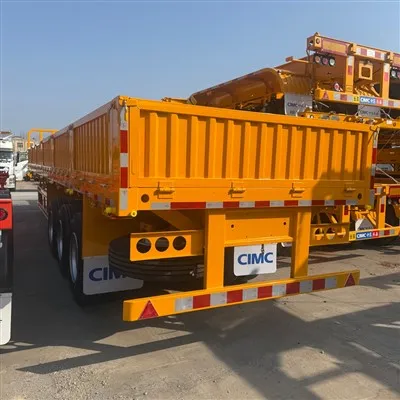
If you’re in the market for a semi-trailer that’s built to handle your specific liquid, or you’re not sure which type of tanker is right for your loads, feel free to reach out. We’ve been helping truckers and businesses find the right equipment for years, and we’re happy to walk you through all the options, no jargon, no pressure. Let’s chat, figure out what you need, and get you on the road with a tanker that works for you.
Semi Trailer References
- U.S. Department of Transportation, Federal Motor Carrier Safety Administration. (2022). Hazardous Materials Transportation: General Requirements and Responsibilities.
- National Food Protection Association. (2021). Food-Grade Transportation Guidelines for Bulk Liquid Foods.
- American Petroleum Institute. (2020). Specification for Tank Truck Semitrailers for Petroleum Products.
- Agricultural Transportation Association. (2022). Bulk Liquid Agricultural Products: Safety and Compliance Standards.
Heavy Leading Company Limited
Heavy Leading Company Limited is one of the most experienced semi trailer manufacturers and suppliers in China, featured by quality products and low price. Welcome to buy discount semi trailer in stock here and get pricelist from our factory. We also accept customized orders.
Address: Guotang, Quanpu, Liangshang, Jining City, China
E-mail: truckalex@heavyleading.com
WebSite: https://www.truckalex.com/
