As a smart manufacturing solutions provider, I’ve witnessed firsthand the transformative power of this technology in enhancing the integration of information systems within enterprises. In today’s rapidly evolving business landscape, the ability to seamlessly connect and manage data across different departments, processes, and systems is crucial for achieving operational efficiency, innovation, and competitive advantage. This blog explores how smart manufacturing can play a pivotal role in improving information system integration in an enterprise. スマート製造

Understanding the Challenges in Information System Integration
Before delving into the solutions offered by smart manufacturing, it’s essential to understand the challenges that enterprises face when trying to integrate their information systems. Legacy systems, often built on different technologies and architectures, can be difficult to connect and share data with modern applications. Siloed data, where information is stored and managed separately in different departments, can lead to inefficiencies, errors, and a lack of visibility across the organization. Additionally, the increasing volume, velocity, and variety of data generated by modern business processes require more sophisticated data management and integration solutions.
The Role of Smart Manufacturing in Information System Integration
Smart manufacturing leverages advanced technologies such as the Internet of Things (IoT), artificial intelligence (AI), machine learning (ML), and big data analytics to create a connected and intelligent manufacturing ecosystem. By integrating these technologies into the manufacturing process, enterprises can achieve real-time data collection, analysis, and decision-making, which are essential for improving information system integration.
Real-time Data Collection and Monitoring
One of the key benefits of smart manufacturing is the ability to collect real-time data from various sources, including sensors, machines, and production lines. This data can provide valuable insights into the performance of the manufacturing process, such as machine utilization, quality control, and production efficiency. By integrating this data with the enterprise’s information systems, managers can gain a comprehensive view of the manufacturing operations and make informed decisions in real-time.
For example, sensors installed on machines can collect data on temperature, vibration, and other parameters. This data can be transmitted to a central database, where it can be analyzed using AI and ML algorithms to detect potential issues before they occur. By integrating this data with the enterprise’s maintenance management system, managers can schedule preventive maintenance, reducing downtime and improving equipment reliability.
Improved Supply Chain Visibility
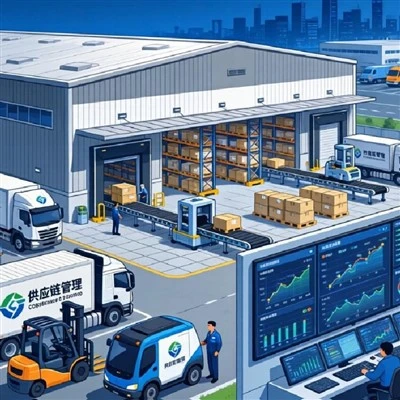
Smart manufacturing also enables enterprises to improve supply chain visibility by integrating data from suppliers, logistics providers, and other partners. By sharing real-time data on inventory levels, production schedules, and delivery status, enterprises can optimize their supply chain operations, reduce costs, and improve customer satisfaction.
For instance, by integrating the enterprise’s inventory management system with the supplier’s production planning system, both parties can have real-time visibility into inventory levels and production schedules. This allows the supplier to adjust production based on the enterprise’s demand, reducing inventory costs and improving the overall efficiency of the supply chain.
Enhanced Quality Control
Quality control is a critical aspect of manufacturing, and smart manufacturing can play a significant role in improving it. By collecting real-time data on product quality from sensors and inspection machines, enterprises can detect defects early in the production process and take corrective actions immediately.
Integrating this quality control data with the enterprise’s information systems allows managers to track quality metrics over time, identify trends, and make data-driven decisions to improve product quality. For example, by analyzing the data collected from inspection machines, managers can identify common defects and take steps to eliminate them, such as adjusting the manufacturing process or improving the design of the product.
Streamlined Production Processes
Smart manufacturing technologies can also streamline production processes by automating repetitive tasks, optimizing workflows, and reducing manual errors. By integrating these technologies with the enterprise’s information systems, managers can ensure that production processes are efficient, consistent, and aligned with business goals.
For example, robotic process automation (RPA) can be used to automate tasks such as data entry, order processing, and inventory management. By integrating RPA with the enterprise’s ERP system, these tasks can be performed automatically, reducing the time and effort required by employees and improving the accuracy of the data.
Implementing Smart Manufacturing for Information System Integration
Implementing smart manufacturing for information system integration requires a strategic approach and a commitment to change. Here are some steps that enterprises can take to successfully implement smart manufacturing:
Assess Current Information Systems
The first step is to assess the enterprise’s current information systems and identify the areas that need improvement. This includes evaluating the existing systems’ capabilities, data quality, and integration points. By understanding the current state of the information systems, enterprises can develop a roadmap for implementing smart manufacturing solutions.
Define Business Goals and Requirements
Based on the assessment of the current information systems, enterprises should define their business goals and requirements for implementing smart manufacturing. This includes identifying the specific areas where smart manufacturing can provide the most value, such as improving production efficiency, reducing costs, or enhancing product quality.
Select the Right Technologies
Once the business goals and requirements are defined, enterprises can select the right technologies to implement smart manufacturing. This includes choosing the appropriate IoT sensors, AI and ML algorithms, big data analytics tools, and other technologies that are compatible with the enterprise’s existing information systems.
Develop a Data Strategy
A data strategy is essential for implementing smart manufacturing successfully. This includes defining how data will be collected, stored, managed, and analyzed. Enterprises should also ensure that data security and privacy are addressed in the data strategy.
Train Employees
Implementing smart manufacturing requires a skilled workforce. Enterprises should provide training to employees on how to use the new technologies and tools effectively. This includes training on data analytics, AI and ML, and other relevant skills.
Monitor and Evaluate Performance
Finally, enterprises should monitor and evaluate the performance of the smart manufacturing solutions regularly. This includes tracking key performance indicators (KPIs) such as production efficiency, product quality, and supply chain visibility. By monitoring and evaluating performance, enterprises can identify areas for improvement and make necessary adjustments to the smart manufacturing solutions.
Conclusion
In conclusion, smart manufacturing offers a powerful solution for improving the integration of information systems in an enterprise. By leveraging advanced technologies such as IoT, AI, ML, and big data analytics, enterprises can achieve real-time data collection, analysis, and decision-making, which are essential for improving operational efficiency, innovation, and competitive advantage.
security If your enterprise is looking to improve the integration of its information systems and achieve the benefits of smart manufacturing, I encourage you to reach out to us for a consultation. We have the expertise and experience to help you develop and implement a customized smart manufacturing solution that meets your specific business needs.
References
- Porter, M. E., & Heppelmann, J. E. (2014). How Smart, Connected Products Are Transforming Competition. Harvard Business Review.
- Lasi, H., Fettke, P., Kemper, H. G., Feld, T., & Hoffmann, M. (2014). Industry 4.0. Business & Information Systems Engineering, 6(4), 239-242.
- Lee, J., Bagheri, B., & Kao, H. A. (2015). A Cyber-Physical Systems architecture for Industry 4.0-based manufacturing systems. Manufacturing Letters, 3, 18-23.
SCSK Shanghai, the China base of SCSK Co., Ltd., is one of the most experienced smart manufacturing service providers and suppliers in China and Japan, featuring advanced services and good prices.If you want to know more about discounted smart manufacturing services, please feel free to contact us for price list and quotation.Customized orders are also welcome.
Address:
E-mail:
WebSite: https://www.scskcn.com/
