Peptides are short chains of amino acids, the building blocks of proteins, that play crucial roles in various biological processes within the body. In recent years, the use of peptide agents in skincare has gained significant attention, with many claiming that they can improve skin elasticity. As a peptide agents supplier, I’ve witnessed firsthand the growing demand for these products and have delved deep into the science behind their potential benefits. In this blog, I’ll explore whether peptide agents can truly enhance skin elasticity, examining the scientific evidence and practical applications. Peptide Agents
The Basics of Skin Elasticity
Before discussing how peptide agents might affect skin elasticity, it’s essential to understand what skin elasticity is and what causes its decline. Skin elasticity refers to the skin’s ability to stretch and then return to its original shape. This property is primarily due to two proteins in the dermis: collagen and elastin.
Collagen provides structural support, giving the skin its firmness and volume. Elastin, as the name suggests, allows the skin to stretch and recoil. Together, these proteins maintain the skin’s smooth, youthful appearance. However, as we age, the production of collagen and elastin decreases, leading to a loss of skin elasticity. Environmental factors such as UV exposure, pollution, and smoking can also accelerate this decline.
How Peptide Agents Work
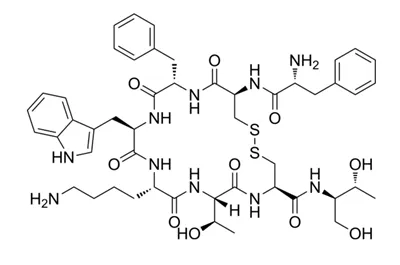
Peptides can be classified into different types based on their functions. In skincare, signal peptides, carrier peptides, and enzyme-inhibiting peptides are the most relevant for improving skin elasticity.
- Signal Peptides: These peptides send signals to skin cells, particularly fibroblasts, which are responsible for producing collagen and elastin. By stimulating fibroblasts, signal peptides can increase the production of these proteins, potentially reversing some of the effects of aging on skin elasticity. For example, palmitoyl pentapeptide-4, a well-known signal peptide, has been shown in studies to stimulate collagen synthesis in vitro.
- Carrier Peptides: Carrier peptides are designed to transport important minerals, such as copper, into the skin cells. Copper is essential for the cross-linking of collagen and elastin fibers, which gives these proteins their strength and resilience. By delivering copper to the appropriate sites in the skin, carrier peptides can enhance the stability and function of collagen and elastin.
- Enzyme-Inhibiting Peptides: As we age, enzymes called matrix metalloproteinases (MMPs) break down collagen and elastin in the skin. Enzyme-inhibiting peptides can block the activity of these enzymes, reducing the degradation of collagen and elastin and helping to maintain skin elasticity.
Scientific Evidence Supporting Peptide Agents for Skin Elasticity
A growing body of scientific research supports the use of peptide agents in improving skin elasticity. In a double-blind, placebo-controlled study published in the Journal of Cosmetic Dermatology, participants who used a cream containing palmitoyl oligopeptide and palmitoyl tetrapeptide-7 showed significant improvements in skin elasticity after 12 weeks compared to those using a placebo cream. Another study in the International Journal of Cosmetic Science investigated the effects of a topical copper peptide formulation on skin aging. After 16 weeks of treatment, the subjects experienced a significant increase in skin firmness and elasticity, as measured by biophysical methods.
In addition to clinical trials, in vitro studies have also demonstrated the ability of peptide agents to stimulate collagen and elastin production. For example, a study in the Journal of Investigative Dermatology found that a specific peptide Increased collagen synthesis in human dermal fibroblasts by up to 30%.
Real-World Applications and User Experiences
Many skincare products on the market now contain peptide agents, ranging from serums and creams to masks and lotions. These products are often marketed as anti-aging solutions that can improve skin elasticity, reduce the appearance of wrinkles, and give the skin a more youthful glow.
User reviews and testimonials also provide evidence of the effectiveness of peptide agents in improving skin elasticity. Many people report that after using peptide-based skincare products for several weeks or months, they notice a firmer, smoother complexion and a reduction in the appearance of fine lines and wrinkles. However, it’s important to note that individual results may vary depending on factors such as age, skin type, and the severity of skin aging.
Challenges and Limitations
While the scientific evidence for peptide agents in improving skin elasticity is promising, there are still some challenges and limitations to consider.
- Penetration: One of the main challenges is ensuring that the peptide agents can penetrate the skin effectively. The skin has a natural barrier function that can prevent large molecules, such as peptides, from reaching the deeper layers where they can have the most effect. To overcome this issue, many skincare products use special delivery systems, such as liposomes or nanoparticles, to enhance peptide penetration.
- Stability: Peptides can be unstable in certain formulations, especially when exposed to light, heat, or air. This can reduce their effectiveness over time. Therefore, it’s important to store peptide-based skincare products properly and to use them within their recommended shelf life.
- Cost: Peptide agents can be relatively expensive to produce, which can make peptide-based skincare products more costly than traditional skincare products. This may limit their accessibility for some consumers.
Conclusion
In conclusion, the scientific evidence suggests that peptide agents have the potential to improve skin elasticity by stimulating collagen and elastin production, inhibiting collagen degradation, and enhancing the cross-linking of these proteins. Clinical trials and in vitro studies have demonstrated the effectiveness of various peptide agents in improving skin firmness and reducing the appearance of wrinkles. Real-world applications and user experiences also support the use of peptide-based skincare products for anti-aging purposes.
However, challenges such as skin penetration, stability, and cost need to be addressed to optimize the effectiveness and accessibility of peptide agents in skincare. As a peptide agents supplier, we are committed to providing high-quality, innovative peptide products that meet the needs of the skincare industry.
Finished Dosage Form If you’re interested in learning more about our peptide agents or would like to discuss potential business opportunities, please don’t hesitate to reach out. We look forward to the possibility of working with you to bring the benefits of peptide-based skincare to consumers worldwide.
References
- Baumann L, et al. "A randomized, double-blind, placebo-controlled trial to evaluate the efficacy and safety of a cosmetic product containing palmitoyl oligopeptide and palmitoyl tetrapeptide-7 in the treatment of periorbital wrinkles." Journal of Cosmetic Dermatology.
- Kim DH, et al. "Efficacy of a copper peptide cream in skin rejuvenation: A randomized, double – blind, placebo – controlled trial." International Journal of Cosmetic Science.
- Wang Y, et al. "A novel peptide mixture stimulates collagen synthesis in human dermal fibroblasts." Journal of Investigative Dermatology.
HK Neopharm Limited
HK Neopharm Limited is one of the most professional peptide agents manufacturers and suppliers in China, also supports customized service. Welcome to buy high quality peptide agents in stock here and get quotation from our factory. For price consultation, contact us.
Address: Room W Unit 6086/f Metro Loft 38kwai Hei St Kwai Chung, Hong Kong
E-mail: sales@hkneopharm.com
WebSite: https://www.hkneopharm.com/
