Hey there! I’m a supplier of plain woven fabric, and I often get asked if plain woven fabric can be used for tents. Well, let’s dive right into this topic and explore the ins and outs of using plain woven fabric for tent-making. Plain Woven Fabric

First off, what exactly is plain woven fabric? It’s one of the simplest and most common types of woven fabrics. In a plain weave, the warp and weft yarns cross each other in a basic over – under pattern. This creates a balanced and stable fabric structure. There are tons of materials that can be made into plain woven fabric, like cotton, polyester, nylon, and a blend of different fibers.
Now, let’s talk about the pros of using plain woven fabric for tents. One of the big advantages is its durability. A well – made plain woven fabric tent can last for a long time. For example, if it’s made from high – quality polyester or nylon, it can stand up to a fair amount of wear and tear. These synthetic fibers are known for their strength and resistance to abrasion. So, if you’re out camping in a rocky area or your tent is going to be dragged around a bit, a plain woven fabric tent can handle it.
Another plus is the breathability. Cotton plain woven fabric is a great option when it comes to breathability. It allows air to circulate inside the tent, which helps to keep you cool and comfortable, especially on warm summer nights. You won’t feel all stuffy and sweaty like you might in a tent made from a less breathable material.
Cost is also a factor. Plain woven fabric is generally more affordable compared to some specialized tent fabrics. This means that if you’re on a budget or you’re just starting out with camping, a tent made from plain woven fabric can be a great choice. You can get a decent – quality tent without breaking the bank.
But, of course, there are some cons too. One of the main issues is water resistance. Plain woven fabric, especially if it’s made from natural fibers like cotton, isn’t naturally water – resistant. When it rains, the fabric can soak up water and become heavy. This not only makes the tent harder to handle but also increases the risk of mold and mildew growth. However, this problem can be solved by treating the fabric with a water – repellent coating. There are many commercial coatings available in the market that can be applied to the fabric to make it more water – resistant.
Another drawback is the lack of UV protection. If you’re going to be camping in an area with a lot of sunlight, the plain woven fabric might not offer enough protection against the sun’s harmful UV rays. Over time, the sun can fade the fabric and weaken its structure. Again, there are ways to address this. You can look for fabrics that are pre – treated with UV – resistant chemicals or use a tent with a UV – protective fly.
When it comes to the different materials used in plain woven fabric for tents:
Cotton: As I mentioned earlier, cotton is breathable and soft. It gives a more natural and comfortable feel to the tent. However, it’s heavy when wet and not very durable in the long run compared to synthetic fibers. But it’s a great option for casual camping in mild weather conditions.
Polyester: Polyester is a popular choice for tent fabric. It’s strong, lightweight, and relatively inexpensive. It can be easily treated to be water – resistant and UV – resistant. Polyester plain woven fabric tents are great for all – around camping, whether it’s in the mountains or by the beach.
Nylon: Nylon is even stronger and lighter than polyester. It has excellent abrasion resistance, which makes it ideal for more rugged camping trips. Nylon tents are often used by backpackers because they can pack down small and are easy to carry.
In terms of the manufacturing process, making a tent from plain woven fabric isn’t overly complicated. First, the fabric is cut into the desired shapes and sizes according to the tent design. Then, the pieces are sewn together using strong thread. The seams are usually reinforced to prevent them from coming apart under stress. After that, any necessary coatings, like water – repellent or UV – resistant coatings, are applied.
If you’re thinking about using plain woven fabric for your tent, here are some tips. Make sure to choose the right fabric material based on your camping needs. If you’re going to be in a wet environment, go for a synthetic fabric with a good water – repellent coating. If you’re more concerned about comfort and breathability, cotton might be the way to go.
Also, pay attention to the fabric’s weight. A lighter fabric is better for backpacking, while a heavier fabric can provide more stability and durability for car camping.
So, can plain woven fabric be used for tents? Absolutely! It has its advantages and disadvantages, but with the right choice of material and proper treatment, it can make a great tent. Whether you’re a seasoned camper or just getting started, a tent made from plain woven fabric can meet your needs.
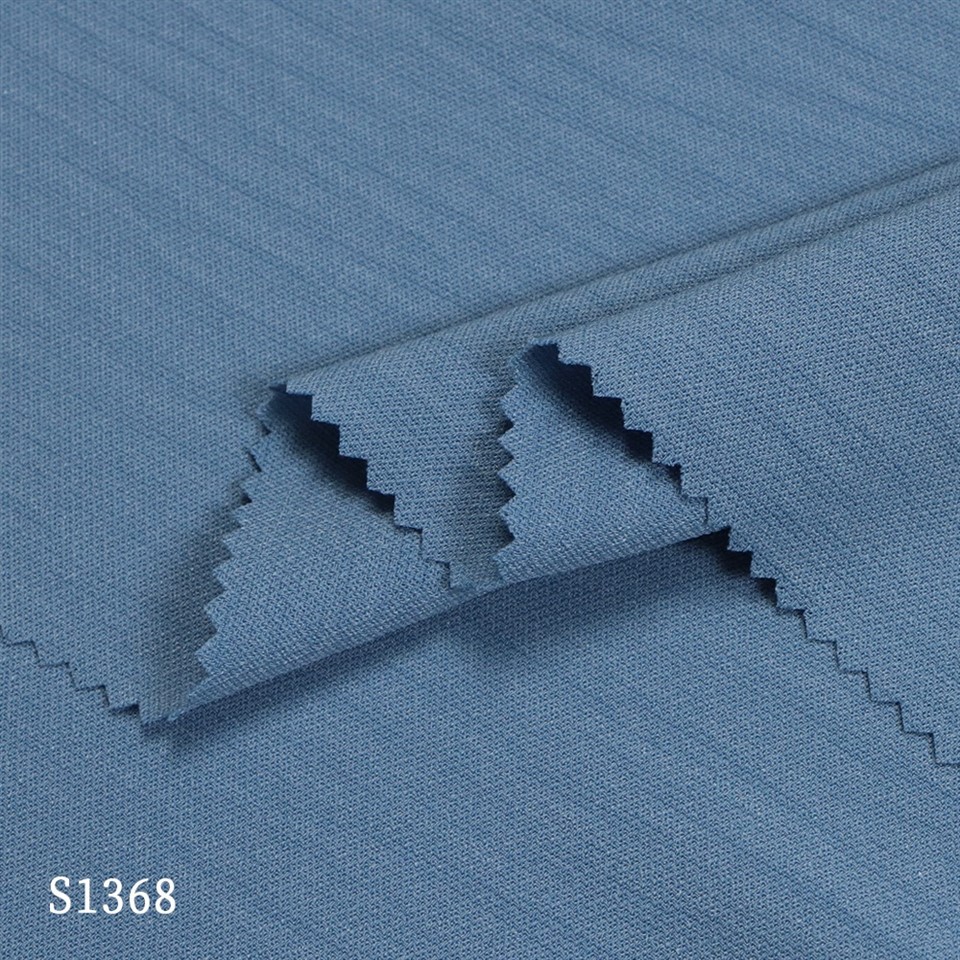
If you’re interested in sourcing plain woven fabric for your tent – making business or for personal use, I’m here to help. I’ve got a wide range of plain woven fabrics in different materials, weights, and colors. We can work together to find the perfect fabric for your specific requirements. Just reach out, and we can start a discussion about your project.
Cotton Like Fabric References:
- "Textiles for Outdoor Use" by some textile experts
- "Camping Gear Handbook" which has details about different tent fabrics
Shaoxing Huichao Textile Co., Ltd.
As one of the most professional plain woven fabric manufacturers and suppliers in China, we offer a wide range of products with superior quality. We warmly welcome you to wholesale bulk plain woven fabric in stock here from our factory. If you have any enquiry about cooperation, please feel free to email us.
Address: Shenyue International Build ing, Unit 1603-1605, Keqiao District, Shaoxing City, Zhejiang Province, China
E-mail: darrenzhong@huichaotextile.com
WebSite: https://www.huichaotextile.com/
