Antistatic PVC, a specialty variant of traditional PVC, has emerged as a game – changer in various industries. As an antistatic PVC supplier, I’ve witnessed firsthand the transformative power this material holds over regular PVC. In this blog, I’ll delve deep into the advantages of antistatic PVC, offering insights that can help you make an informed decision for your next project. Antistatic PVC
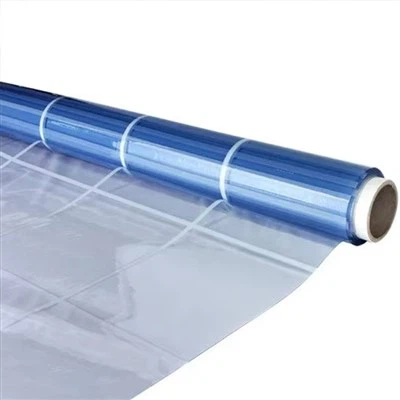
1. Electrical Conductivity and Static Prevention
One of the most significant differences between antistatic PVC and regular PVC lies in their electrical properties. Regular PVC is an excellent electrical insulator. While this may be an advantage in some applications where electrical isolation is required, it also means that it easily accumulates static electricity. When regular PVC rubs against other materials or is subject to friction, it can generate a static charge. This static charge can attract dust and debris, which is highly undesirable in clean – room environments, electronics manufacturing, and food processing industries.
Antistatic PVC, on the other hand, is formulated to have a degree of electrical conductivity. It contains special additives that allow the static charge to dissipate across the surface of the material, rather than building up. For example, in electronics manufacturing facilities, circuit boards and sensitive electronic components are extremely vulnerable to electrostatic discharge (ESD). A single ESD event can damage or even destroy these components, leading to costly production losses. Antistatic PVC products such as containers, trays, and conveyor belts prevent the build – up of static charges and protect the electronics from ESD.
2. Dust and Debris Resistance
As mentioned earlier, the ability to prevent static charge build – up directly translates into better dust and debris resistance for antistatic PVC. In industries where cleanliness is of utmost importance, such as the pharmaceutical and food industries, regular PVC can be a liability. The static charge on regular PVC surfaces attracts dust, dirt, and other contaminants, which can compromise the quality and safety of the products being manufactured or stored.
Antistatic PVC, with its reduced static charge, is much less likely to attract these particles. This makes it ideal for use in clean – room environments, where even the smallest amount of dust can contaminate a product. For instance, in a pharmaceutical manufacturing plant, antistatic PVC can be used for the production of storage containers and work surfaces. These surfaces remain cleaner for longer periods, reducing the frequency of cleaning and minimizing the risk of product contamination.
3. Safety in Hazardous Environments
In environments where there are flammable gases, vapors, or dusts, static electricity can be a major safety hazard. A static spark can ignite these combustible substances, leading to explosions or fires. Regular PVC, due to its tendency to accumulate static charge, poses a significant risk in such environments.
Antistatic PVC significantly reduces this risk. Its conductive properties ensure that static charges are quickly discharged, preventing the formation of sparks. For example, in the oil and gas industry, where there are often flammable vapors present, antistatic PVC can be used for pipes, hoses, and electrical conduit. By using antistatic PVC, companies can enhance the safety of their operations and protect their workers and assets from potential disasters.
4. Durability and Long – Term Performance
When it comes to durability, antistatic PVC often outperforms regular PVC. The additives used to make PVC antistatic also contribute to enhancing its physical properties. These additives can improve the material’s resistance to abrasion, chemicals, and environmental factors.
In industrial settings where materials are subject to constant wear and tear, regular PVC may start to show signs of deterioration relatively quickly. For example, in a manufacturing plant with heavy – duty machinery, conveyor belts made of regular PVC may wear out faster due to friction and contact with abrasive materials. Antistatic PVC conveyor belts, on the other hand, are more resistant to abrasion, which extends their service life. This not only reduces the frequency of replacement but also lowers the overall cost of operation.
5. Aesthetics and Cleanliness
Antistatic PVC can also offer better aesthetics in the long run. Since it attracts less dust and debris, it maintains a cleaner and more professional appearance. In retail settings, for example, where product displays are crucial for attracting customers, regular PVC shelves or display cases can quickly become dirty and unappealing. Antistatic PVC shelves stay clean, presenting products in a more attractive way.
Moreover, in public spaces such as hospitals and schools, the cleanliness of surfaces is not only important for aesthetics but also for health reasons. Antistatic PVC can be used for wall coverings, partitions, and furniture. These surfaces are easier to clean and maintain, reducing the spread of germs and creating a more hygienic environment.
6. Compatibility with Other Materials
In many applications, PVC needs to be used in conjunction with other materials. Antistatic PVC often has better compatibility with a wider range of materials compared to regular PVC. This is especially important in industries where different materials are combined to create complex products.
For example, in the automotive industry, various components are made by joining different materials together. Antistatic PVC can be more easily bonded or sealed with other plastics, metals, and rubber materials. This compatibility allows for the creation of more reliable and high – performance automotive parts, such as interior trim components and electrical insulation.
7. Regulatory Compliance
In some industries, there are strict regulations regarding static electricity and the use of materials. For example, in the electronics and aerospace industries, the handling and storage of sensitive components must comply with strict ESD protection standards. Regular PVC may not meet these requirements due to its static – generating properties.
Antistatic PVC, on the other hand, is designed to meet these regulatory standards. Using antistatic PVC ensures that your products and operations are in compliance with industry regulations, avoiding potential fines and legal issues.
Contact for Procurement
PVC Printing Film If you’re looking for a reliable antistatic PVC solution for your project, I’m here to help. Whether you’re in the electronics, pharmaceutical, automotive, or any other industry, I can provide you with high – quality antistatic PVC products that meet your specific requirements. Reach out to me to discuss your needs, and let’s explore how antistatic PVC can bring added value to your business.
References
- "Plastics Handbook" by John Murphy. This comprehensive handbook provides detailed information on the properties and applications of different types of plastics, including PVC and its variants.
- Industry reports from the American Plastics Council. These reports offer up – to – date research on the latest trends and developments in the plastics industry, with specific insights into specialty plastics like antistatic PVC.
- Technical data sheets from major PVC manufacturers. These documents contain in – depth information on the chemical composition, physical properties, and performance characteristics of antistatic PVC.
Nantong Dahe Composite New Material Technology Co., Ltd.
We’re well-known as one of the leading antistatic PVC manufacturers and suppliers in China, specialized in providing high quality customized products to global clients. Please feel free to wholesale cheap antistatic PVC in stock here from our factory. Contact us for quotation and free sample.
Address: South Side of Pinghai Highway, Pinghe Village, Dongshe Town, Tongzhou District, Nantong City, Jiangsu Province, China
E-mail: nantongdahe@outlook.com
WebSite: https://www.cndahetech.com/
