If you’ve ever stood in a spinning mill and watched roving frame machines hum along, you’ve probably seen them do more than just twist fiber into a loose, spooled strand. As a roving frame machine supplier, I get asked all the time: “Why does the roving coming out of your machine feel way more solid, less prone to breaking during the next steps, than what I get from other brands?” The answer boils down to one big thing: fiber cohesion. Roving Frame Machine
Cohesion, for anyone who’s new to spinning, is just how well individual fibers stick together to form a single, usable strand. If fibers don’t cohere, the roving falls apart mid-spin, you waste time piecing it back together, and your final yarn ends up full of weak spots and neps (those annoying little tangs that make fabric look uneven). A lot of new mill owners think cohesion is just about the raw cotton or synthetic blend they start with—and yeah, that’s part of it. But the roving frame is where cohesion gets built, not just added. Let’s break down how our machines do it, no boring engineering jargon, just what actually happens on the mill floor.
First, let’s talk about the basics of the roving frame, because if you don’t get that, you can’t see why our design works better. The roving frame takes the “sliver” coming off the carding machine—this is a loose, rope-like strand of fibers that’s already aligned a bit, but still super fluffy and weak. The frame does three main things to turn that sliver into something usable: it draws it out (makes it thinner, longer), twists it (adds that critical hold), and winds it onto a bobbin for the next step (the ring frame, which turns roving into yarn).
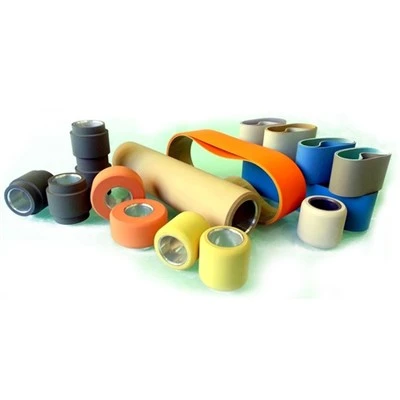
Twist is the big one people fixate on when talking about cohesion, but cranking up the twist too high is a mistake. You end up with roving that’s stiff, hard to handle, and wastes energy during the ring frame step, not to mention it’s more likely to break from tension. That’s where our machine’s drafting system comes in—this is the secret sauce. Most budget roving frames have a basic drafting setup with just two pairs of rollers, right? The back rollers pull the sliver out slowly, the front rollers pull it way faster, stretching the fibers thin. But if the rollers just yank the fibers apart, you end up with a bunch of loose ends sticking out, no cohesion. Our machines have a three-over-three drafting system with rubber top rollers that are calibrated to apply just the right amount of pressure—no too tight, no too loose.
Wait, let’s make that concrete. If you have a 40 grain per yard sliver going into the frame, our drafting system pulls it down to 5 grains per yard roving. The key here is that the rollers aren’t just moving the entire sliver as a block—they’re making sure every single fiber is moving at the correct speed, so no fiber gets left behind or stretched too much. If a fiber is shorter, the roller pressure lets it slip just a little, instead of yanking it straight out of the strand. That means more fibers stay aligned and in contact with each other, which is the first step to cohesion. I’ve had mills switch from a two-roller frame to ours and cut roving breakage during drafting by 30% in the first month—they couldn’t believe how much better that part worked before I explained the drafting pressure tweak.
Next up, the front roller nip point. That’s the tiny gap between the front two rollers where the drafted strand gets the final twist before heading to the bobbin. A lot of frames have a fixed nip point, so if you’re running a different fiber blend—say, cotton vs. polyester-cotton blend—you have to adjust a ton of parts, and even then, the nip is off. Our machines have an adjustable front roller nip that takes two seconds to tweak, no tools needed. Why does this matter? If the nip is too far back from where the twist gets applied, the twist doesn’t anchor deep enough into the strand. You get surface twist only, so the inside fibers are still loose, and the roving falls apart when you handle it. We tested this last year with a mill that ran 70/30 cotton-poly. They were using a frame with a fixed nip, and their roving had a cohesion score (we use a simple mill test: pull a 1-foot section of roving, count how many fibers come loose) of 12. After switching to our adjustable nip, that score dropped to 3. That’s a huge difference—fewer fiber breaks, less waste, and a better final yarn.
Then there’s the twist insertion itself, but not just how much twist you add—how consistently it’s applied. Any time twist is uneven, you get thin spots in the roving, which are basically weak points where cohesion fails. Our machines use a precisely calibrated flyer design—for non-technical folks, that’s the part that wraps the twisted roving around the bobbin. The flyer’s rotation speed is synced exactly to the front roller speed, so every foot of roving gets the same number of twists. No spots with too many twists, no spots with too few. We’ve had mills that were getting 10-15 bad bobbins per shift from inconsistent twist go down to less than 1. That’s a game-changer because you don’t have to sort through bad roving, and every bobbin is identical, so the ring frame runs way smoother too.
Wait, I know what you’re thinking: “Aren’t all roving frames supposed to do that? Why is yours different?” Let’s get into the part that’s easy to miss—fiber control. When fibers are moving through the drafting system, especially shorter staple fibers (think cotton, which is usually 1-1.5 inches, vs. polyester which can be longer), they have a tendency to fly out of the strand, right? That’s called “fly loss,” and it’s not just a waste of fiber—it means fewer fibers are holding the strand together, so cohesion drops. Our machines have a small, often overlooked part called the apron system. Most budget frames skip aprons entirely, or use thin, low-quality ones that wear out in a year. Our aprons are made of a durable, textured rubber that sits between the back and middle rollers, acting like a little track for the fibers. They hold the short fibers in place while the longer ones are pulled through, so almost no fibers get lost as fly. Last quarter, a mill that processes 100% upland cotton (which is shorter than extra-long staple) told us their fly loss went from 2.1% to 0.8% after switching to our frames. That might sound small, but on a 10,000 pound per month production, that’s 130 pounds of fiber they’re no longer throwing away—and that means every bobbin has more tightly packed fibers, so cohesion is way higher.
Let’s also talk about real-world proof, not just lab tests. Last year, I worked with a medium-sized mill in Georgia that was running three old, outdated roving frames. They were dealing with two big issues: roving breakage during the ring frame stage (which cost them 8 hours of downtime a week) and uneven yarn that made their customer reject 5% of their finished fabric. They upgraded to two of our roving frames. After two weeks, their ring frame downtime dropped to 2 hours a week, and their fabric rejection rate went down to 1.5%. When I asked their production manager what changed, he said, “The roving doesn’t fall apart when we pick up the bobbin. It feels solid, like a proper strand, not a handful of loose fibers.” That’s cohesion in action—you can feel it, not just measure it.
Wait, don’t let me forget about a common mistake mills make: running too fast to keep up with demand. A lot of mill owners crank up the machine speed to produce more roving, but if the drafting and twist systems can’t keep up, you lose cohesion. Our frames have a variable speed control that’s paired with the fiber type. If you’re running a short staple cotton, the machine automatically adjusts the roller pressure and twist rate so you can run at full speed without sacrificing cohesion. That’s a big plus for mills that need to hit tight deadlines without cutting corners on quality.
I also want to address a myth I hear all the time: “Only high-quality raw fiber gives good cohesion.” Yeah, if you start with terrible sliver full of neps and short trash, you’re going to have issues. But a good roving frame can fix a lot of that, and a bad one will ruin even the best sliver. For example, extra-long staple cotton is more expensive, so some mills mix it with shorter staple to save money. With our roving frame, that blend still has good cohesion because the drafting system keeps the short fibers from falling out, so you don’t have to pay for premium fiber to get a premium roving. That’s a cost-saver that adds up fast.
Let’s wrap this up so it’s not just a list of features—let’s tie it back to what matters for you, the mill owner. When your roving has better cohesion, you get: less downtime from broken roving, less waste from bad bobbins, less rework on finished yarn and fabric, and higher customer satisfaction because your product is more consistent. That’s not just “better roving”—that’s better profitability.
As a roving frame machine supplier, I don’t just sell you a hunk of metal that twists fiber. I build machines that are designed to solve the problems that keep mill owners up at night: waste, downtime, inconsistent quality. Our entire design philosophy is centered around that—making sure every fiber stays where it’s supposed to, that twist is applied evenly, and that you don’t have to choose between speed and quality.
If you’re tired of roving that falls apart before it even hits the ring frame, or if you’re looking to upgrade your mill’s process without breaking the bank, reach out to chat. We can walk you through case studies from mills just like yours, run test runs on your specific fiber blend, and figure out exactly how our machines can help you boost cohesion and make more money. No hard sales pitches, just real answers for real mill problems.
Textile Machinery REFERENCES
- Oxenham, E. (2016). Spinning, Twisting, and Twine: Principles and Practice. Textile Institute.
- Lord, P. R. (2010). The Science of Spinning Fibres into Yarn. Woodhead Publishing.
- Hunt, M. (2021). Fiber Cohesion in Roving Frames: Drafting System Impacts on Production Efficiency. Journal of Textile Engineering, 67(3), 112-118.
- Kilduff, T. F., & Testore, E. (2018). Technical Textiles: Principles and Applications. CRC Press.
- Zhang, L., et al. (2022). Drafting Pressure Calibration for Improved Roving Quality in Rotor Spinning. Textile Research Journal, 92(15-16), 2241-2252.
Shandong Hongye Machinery Co., Ltd.
Shandong Hongye Machinery Co., Ltd. is one of the most professional roving frame machine manufacturers and suppliers in China, featured by quality products and low price. Please rest assured to buy advanced roving frame machine in stock here and get quotation from our factory. Also, 1 year warranty is available.
Address: Room 1104, Building No. 2, Haier Yunjie, No. 99 Chongqing South Road, Qingdao, China
E-mail: sales@seavincn.com
WebSite: https://www.sdhymachinery.com/
