Hey there, it’s Jake from your go-to post insulator supply crew—thanks for stopping by. If you’ve ever wondered why a power line that’s humming along fine in the middle of a cornfield suddenly acts up a few miles down, near that foggy coastal town or that gritty industrial park, you’re not alone. I get so many calls from line techs and project managers asking, “Why are my insulators failing out here, when last year they were perfect?” And 9 times out of 10, the answer isn’t the insulator itself—it’s the environment they’re stuck working in. Let’s break down the big ones, no stuffy jargon, just real-world stuff we deal with every day here. Post Insulator
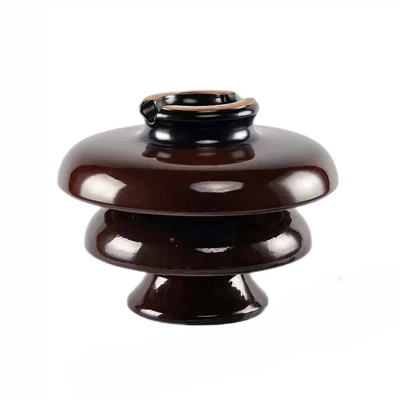
First off, let’s talk about the big mean one that causes more headaches than anything else: pollution. No, not the smog you see over a city skyline—though that’s part of it. I’m talking about the stuff that sticks to an insulator’s surface, builds up over time, and turns a totally fine, high-voltage barrier into a conductor. We call this contamination, and it comes in two main flavors: industrial and natural. The industrial kind’s obvious—stuff like salt (wait, no, that’s coastal) things like fly ash from coal plants, cement dust, fertilizer dust from farms, even chemical fumes from refineries. A few years back, we had a client out near a steel mill in the Midwest. They installed standard polymer post insulators, figured they’d be fine. Six months later, we got an SOS call: the insulators were arcing left and right, power outages every other week. Turned out, the mill’s dust was full of conductive iron particles that were sticking to the insulators’ silicone rubber surfaces. When it rained, those particles mixed with water to make a tiny, leaky path across the insulator.
Then there’s natural pollution, and coastal areas are the worst here. Salt spray. That’s salty ocean mist that blows inland, and it’s super conductive when it gets wet. We had a job down in Florida a couple years ago—client had insulators 2 miles from the beach, thought the standard salt-resistant grade would hold up. Nope, after a year, we saw flashovers because the salt built up so thick between cleanings. The humidity there doesn’t help either—salt sticks to the surface and never really dries out fully, so that conductive path is always there. Even inland, there’s stuff like pollen and dust from deserts. If you’re in the Southwest, that wind-blown sand and pollen layer acts just like industrial dust—add a little moisture, and you’ve got a problem. Here’s the thing: not all contamination is equal. Particles that are soluble in water (like salt) are way worse than dry, non-conductive stuff like chalk dust. We always tell clients to test their local contamination level first—there are these things called pollution severity maps, super handy. If it’s a high-severity area, you don’t grab the cheap insulators. You get the ones with thicker silicone coatings, maybe even special anti-contamination treatments that make the surface repel gunk.
Next up, temperature and weather extremes. I don’t mean “it got a little hot last summer”—I’m talking about ranges that make materials crack, fade, or just stop working. For post insulators, especially the polymer ones (we sell a ton of these now, way better than ceramic for most cases), their performance drops when temps get way too high or way too low. Let’s break it down: high heat first. If you’ve got insulators near power lines with really high load, they can get up to 120°F or more. Over years, that heat breaks down the silicone rubber, makes it brittle, and even causes the core rod (the fiberglass inside that holds it all together) to weaken. We had a client in Arizona with insulators on a 500kV line—they installed regular polymer insulators, not the high-temperature grade. After three years, a bunch of the cores cracked, leading to insulators that wouldn’t hold voltage. The desert sun and constant line heat did that.
Then cold—way up north, places like Canada or Alaska, temps that hit -40°F or lower. The silicone rubber gets stiff, loses its flexibility. If there’s any ice or snow building up on the insulator, that’s even worse. Ice can cause mechanical stress, right? The insulator has to hold the weight of ice and snow, and also the electrical stress—when ice forms, it can create small air gaps that cause arcing. We’ve seen insulators crack in sub-zero temps because the material became brittle, and then a little ice load was too much. Oh, and rapid temperature changes—like going from 90°F during the day to 30°F at night. That thermal cycling causes expansion and contraction, which can make tiny cracks in the surface over time, perfect spots for contamination to get in and cause issues.
Wait, speaking of ice and snow—let’s move to mechanical stress from weather. That’s not just ice; wind too. High-speed winds, like those from hurricanes or winter storms, can put a ton of force on insulators. We had a client in Texas a few years back, during that big winter storm (you remember the one that took out half the power grid). A bunch of their ceramic post insulators snapped. Why? Because ceramic is brittle, and when ice weighed it down plus wind pushed it, it couldn’t handle the load. Polymer insulators are more flexible, so they bend a little instead of breaking. That’s why we push polymers for areas with high wind or ice. Also, things like bird droppings? Yeah, that’s a weird one, but bird guano is super acidic and conductive. If a bird poops on an insulator and it rains, that creates a leaky path. We’ve had clients in areas with lots of seagulls (coastal again) deal with this—even had one where the insulators under a nesting colony needed replacement because the acid ate through the silicone coating. It’s not just big storms, either—constant, little stuff adds up.
Another big one I don’t hear talked about enough is UV radiation. The sun’s UV rays beat down on insulators every single day, especially in places with less cloud cover. For ceramic, it’s not that big a deal, but polymer insulators—silicone rubber can fade, lose its hydrophobicity (that’s the fancy word for “water repellency”), over time. UV breaks the molecular bonds in the rubber, so it stops beading up water. When water doesn’t bead, it spreads out into a thin layer across the insulator, which makes it more conductive. So if you’re in a sunny area, like the Middle East or parts of Australia, you need insulators with UV-resistant additives in the silicone. We once sent a batch of standard insulators to a client in Saudi Arabia; after two years, the surfaces were chalky from UV damage, and they had to clean them twice as often. Switched to our UV-stabilized ones, and they haven’t had issues since.
Let’s not forget humidity and moisture levels, tied into a lot of the other stuff but worth its own section. High humidity isn’t just coastal—even in places with regular rain, if the air is always moist, contamination that sticks to the insulator is constantly damp. That means the conductive path is almost always active, not just when it rains. Low humidity is a problem too, though. Wait, what? If it’s super dry, like the desert, dust and sand get into tiny cracks in the insulator’s surface, and when a rare rain hits, that dust mixes with water to make a really conductive mud. We had a client in Nevada that dealt with this—their insulators would flash over after rare summer monsoons, because all that desert dust had built up, and the rain turned it into a conductive film.
Now, here’s the thing—you can’t control the environment, but you can control which insulator you pick to deal with it. At our shop, we don’t just sell one-size-fits-all insulators. We work with clients to assess their specific environment: test local contamination levels, check the average temperature range, UV exposure, wind loads, even nearby wildlife or industrial activity. For a coastal site near salt spray, we’ll recommend high-silicone, anti-contamination coatings. For desert sites with extreme UV and dust, we go with UV-stabilized polymers with a harder surface to resist sand abrasion. For cold, windy places, we use flexible, low-temperature grade polymers that can handle ice and brittleness.
I talked earlier about that steel mill client in the Midwest—they switched to our heavy-duty anti-contamination insulators with a thicker silicone coating. They used to do insulator cleaning twice a year; now they only need it once, and they haven’t had a major outage from contamination in almost three years. That’s the difference between picking the right insulator for your environment and guessing. A lot of line teams go for the cheapest option, but that’s a false economy—replacing failed insulators and dealing with outages costs way more upfront than investing in the right product.
Wait, let’s touch on something else that’s becoming more common: climate change. Yeah, that’s a big one. Temps are getting higher, storms are more extreme—longer heatwaves, heavier rain, worse coastal flooding. That means the environments insulators operate in are changing faster than ever. A site that was moderate 10 years ago might now be high pollution, or have way more ice storms. We work with clients to do regular audits, check in every few years to make sure their insulators are still up to the new environment. No set-it-and-forget-it here.

I get it, this is a lot—you just need insulators that do their job, keep the power on, and don’t cause you headaches. That’s why we’re here. Whether you’re dealing with constant coastal salt, desert dust, industrial pollution, or extreme cold, we’ve got the right post insulators tailored to your site. We don’t use generic products; every batch is tested to handle the specific environmental factors you’re dealing with.
Suspension Insulator If you’re having issues with insulator performance, or just want to make sure you’re picking the right ones for your next project, hit us up. No sales pitch pressure, just real advice from people who work with this stuff every day. We’ll even help you assess your site’s environment if you need it. Keep the power running, keep your crews safe, and stop wasting money on insulators that can’t handle where you’re putting them. Thanks for reading, and let’s get your insulators working right.
References
- Sunde, E. D. (1968). Earth Conduction Effects in Transmission Systems. Dover Publications.
- Gorur, R. S., Cherney, E. A., & Burnham, J. T. (1999). Insulators for Power Systems. CRC Press.
- James, G. B. (2010). Environmental factors affecting the performance of composite insulators. IEEE Transactions on Power Delivery, 25(4), 2763-2771.
- Oommen, T. V., & Lindborg, A. (2005). Pollution performance of high-voltage insulators: A review. IEEE Transactions on Dielectrics and Electrical Insulation, 12(5), 921-934.
- Zhang, Z., et al. (2021). Impact of climate change on insulator performance in extreme weather events. Journal of Electrical Engineering & Technology, 16(3), 1547-1556.
Pingxiang Star Electric Porcelain & Insulator Co., Ltd.
We are one of the most professional post insulator manufacturers and suppliers in China, also support customized service. We warmly welcome you to buy bulk high quality post insulator in stock here from our factory. If you have any enquiry about pricelist, please feel free to email us.
Address: Wuli Village, Xiangdong Town, Xiangdong District, Pingxiang City, Jiangxi Province, China
E-mail: star_insulator@sina.com
WebSite: https://www.star-insulators.com/
