If you’ve ever installed a woven gabion mesh wall, slope stabilization system, or erosion control structure outdoors, you know even high-quality, heavy-duty woven gabion mesh takes a beating over time. I’ve been a woven gabion mesh supplier for 12 years now, and I’ve heard every customer frustration: a storm tears a section loose, a fallen tree cracks a wire strand, or salt air from a coastal site eats through the galvanized coating that’s supposed to protect the mesh. The good news? Most damaged woven gabion mesh doesn’t need full replacement—with the right tools, materials, and a little know-how, you can fix it yourself and extend the life of your structure for years. Today, I’m walking you through the science-backed steps to repair damaged woven gabion mesh, plus the common mistakes I see contractors and DIYers make (that end up costing them more work down the line). Woven Gabion Mesh

First, let’s talk about why woven gabion mesh fails in the first place—because fixing it starts with understanding the root of the damage. Woven gabion mesh isn’t just wire strung together; it’s made from low-carbon steel, usually with a zinc (galvanized) coating to resist corrosion, and sometimes a polymer or aluminum-zinc alloy (like Galfan) coating for extra durability in harsh environments. The weave pattern—usually a hexagonal twist, called a “twisted hexagonal mesh”—is what makes gabions flexible enough to hold rock fill while staying strong enough to hold back soil or water. The most common damage types fall into three categories, and each needs a different repair approach:
- Small holes or torn strands (less than 12 inches long, no more than 2 full strands broken)
- Larger tears or displaced sections (over 12 inches, up to a 3-foot gap, with multiple broken strands)
- Corrosion damage (where the galvanized coating is worn through, exposing bare steel wire that’s starting to rust)
I once had a customer in coastal Florida call me in 2019 panicking because their new gabion wall (we’d supplied the Galfan-coated woven mesh) had holes popping up in the lower third after just one storm. When we showed up to assess, we saw the mistake: they’d stacked the gabions directly on bare sand, with no drainage layer at the base. Saltwater and sand kept abrading the mesh’s coating, leading to small holes that expanded when waves hit. That’s a classic example of why checking damage cause is non-negotiable—fixing the hole without adding a drainage layer would have just led to the same problem a year later.
Now, let’s get to the actual repair steps, broken down by damage type, with tips I’ve learned from on-site repairs across North America and Europe.
First, gather the right materials and tools. This is where I see people cut corners that ruin their repair. You don’t want to use thin wire to fix a heavy-duty woven gabion mesh, right? For all repairs, you need:
- Matching woven gabion mesh: Same gauge wire, same coating type, same hexagonal twist as your original mesh. I always tell customers to keep a scrap piece of their original mesh on hand for repairs—if you didn’t save yours, contact your supplier to get a matching piece, don’t use random hardware cloth from the local big box store. That hardware cloth is made of thinner wire, will rust faster, and won’t hold up to the same loads.
- Gabion ties: These are heavy-duty, galvanized steel ties, usually 12 or 14 gauge, designed specifically for connecting wire mesh. Don’t use regular twist ties or baling wire—they’ll snap under tension from rock fill or water pressure.
- A wire crimper or pliers: Need a pair of heavy-duty diagonal cutting pliers and a wire crimper to twist and secure ties tightly.
- A wire brush: For cleaning rust or dirt off damaged areas.
- A protective coating (for corrosion damage): If your mesh is galvanized or Galfan-coated and you’ve exposed bare wire, use a rust-inhibiting coating made specifically for steel wire—avoid general-purpose spray paint, it won’t stick to the twisted weave or hold up to UV exposure.
Let’s start with the most common repair: small holes or torn strands (under 12 inches). This is the fix you’ll do for minor storm damage, small abrasions, or a single broken strand. Here’s the step-by-step process I’ve used for thousands of small repairs:
- Prep the area: First, clear any rock fill away from the damaged section, leaving about 6 inches of undisturbed mesh on all sides of the tear. Use the wire brush to scrub the damaged area clean, removing dirt, loose coating, or surface rust.
- Cut a patch: Cut a piece of matching woven gabion mesh that’s 2 inches larger than the hole on every side. So if you have a 6-inch hole, cut a 10-inch patch (6 + 2 on each side). Why 2 inches? That gives you enough overlap to secure the patch tightly, so it doesn’t shift or pull loose when the gabion shifts.
- Align and secure: Lay the patch over the hole, making sure the hexagonal weave lines up with the existing mesh (this is important for structural strength—misaligned weave creates weak points). Then, use gabion ties to secure the patch to the existing mesh every 2 inches along all four edges. Twist each tie tightly with your pliers, then snip off the excess wire with the cutters.
- Replace the fill: Once the patch is secure, carefully put the rock fill back in, making sure it’s tamped down evenly so the patch doesn’t bulge or sag.
I have a quick note here from a 2021 project in Colorado: a contractor used this method for a small tear in a gabion slope stabilization mesh, but he only spaced his ties 4 inches apart instead of 2. A month later, heavy snowmelt shifted the slope, and the patch pulled loose. That’s why the 2-inch spacing is non-negotiable for small repairs—it creates a continuous, strong connection between the patch and the original mesh.
Next, larger tears or displaced sections (over 12 inches, up to 3 feet). This is trickier, because these damage points are usually under more tension—like a section ripped loose by a fallen tree or a large wave. For this repair, you need to create a reinforced seam that matches the original mesh’s structural strength. Here’s how:
- Assess the damage boundary: First, find all the broken wire ends and the undamaged mesh edges on both sides of the tear. Use a marker (a piece of chalk works great) to trace a straight line along the undamaged mesh, cutting off any frayed, broken strands that are loose (don’t cut the entire edge of the mesh, just the frayed ends sticking out).
- Cut your patch: Cut a matching mesh piece that’s 6 inches larger than the tear on every side. The extra 6 inches gives you enough material to create a “lap joint” that’s twice as strong as a simple overlapping patch.
- Create a reinforced seam: Instead of just tying the patch to one side of the original mesh, fold over the edge of the patch 2 inches on the side that will connect to the existing mesh. Then, align the folded edge with the back side of the original mesh (so the folded patch is on the inside of the gabion, not visible from the outside—this gives a smoother finish and protects the seam from weather). Then, use gabion ties to secure the folded patch edge to the original mesh every 2 inches. Repeat this for the other side of the tear, folding the patch over on that side and securing it.
- Add cross ties for extra strength: Since this is a larger repair, add horizontal and vertical cross ties every 12 inches across the patch, connecting the top, middle, and bottom of the patch to the original mesh. This prevents the patch from bulging under load.
- Tamp fill carefully: For larger repairs, the fill can shift more, so tamp it in layers, adding 6 inches of rock at a time and tamping firmly before adding the next layer.
I once helped a customer in Seattle repair a 2-foot tear in a gabion retaining wall that had been hit by a logging truck (yes, that’s a real call I got in 2020). The largest mistake he made was cutting a patch that was only 2 inches larger, not 6, so when he put the fill back, the seam pulled apart. By the time we showed up, the tear had expanded to 4 feet. We followed the large-tear method, added extra cross ties, and the wall has held through three winters since then with no issues.
Now, corrosion damage—this is the most common long-term damage, especially in coastal areas, near roads treated with road salt, or in areas with high humidity. Corrosion eats away at the mesh’s coating, eventually weakening the wire until it breaks. The repair here isn’t just patching, it’s stopping the corrosion from spreading. Here’s how to fix corroded woven gabion mesh:
- Strip and clean the corroded area: First, remove any rock fill covering the corroded section, then use a wire brush to scrub off all rust, loose coating, and dirt until you see shiny, bare steel wire. Be thorough—any remaining rust will spread under the new coating.
- Inspect for wire thickness: Run your finger along the corroded wire strands. If a strand is less than 80% of its original thickness (most woven gabion mesh is 2.5mm to 4mm thick), it’s too weak to repair and needs to be cut. If it’s still over 80% thick, it can be reused.
- Apply rust-inhibiting coating: Use a coating designed for steel wire (I recommend zinc-rich epoxy coating, which bonds to the steel and acts as a barrier against moisture and salt). Brush it onto the bare wire, covering all corroded areas, and let it dry completely (follow the manufacturer’s drying time—usually 24 hours).
- Patch if needed: If the corrosion has created a small hole, follow the small-hole repair steps above, making sure to apply the rust-inhibiting coating to the edges of the hole before laying the patch.
- Add a protective barrier: For long-term protection, add a layer of geotextile fabric behind or around the gabion, especially in high-salt or high-abrasion areas. The geotextile will block sediment and salt from coming into contact with the mesh, extending its life by 10+ years.
I always tell customers that corrosion repair is cheaper than full replacement, but preventing it is even cheaper. When I supply woven gabion mesh, I always recommend that customers install a geotextile drainage layer at the base of their gabion structures—this is the single best way to prevent abrasion and salt damage.
Now, the most important part of any repair: testing it. After you finish, give the repaired section a gentle tug to make sure it doesn’t shift. If it moves, your ties are too loose—go back and tighten them more. For large structural repairs (like retaining walls), wait 24 hours, then check the section for bulges or sagging after a rain or wind event. If there are bulges, you may need to adjust the tie spacing.
Now, let’s talk about the mistakes I see that make repairs fail. The number one mistake is using mismatched mesh or hardware. Using thin hardware cloth instead of woven gabion mesh is a quick fix that will only last a season. Another mistake is not prepping the area: skipping the wire brush step and covering dirt or rust under a patch ensures corrosion will spread. And third, not addressing the root cause of the damage. If your mesh is failing because it’s stacked on bare sand, don’t just fix the hole—add a drainage layer so it doesn’t happen again.
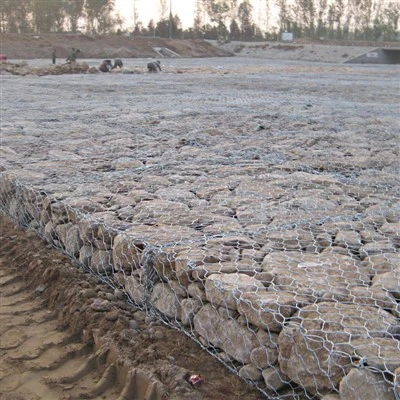
At the end of the day, repairing woven gabion mesh is a skill that takes a little practice, but it’s way more affordable than ripping out and replacing an entire structure. If you have damage you’re not sure how to fix, or you need matching replacement mesh for a repair, don’t guess at the right materials. Reach out to a supplier that knows woven gabion mesh inside and out—someone who’s been in the industry long enough to give you science-backed advice, not just sell you a product. We work with contractors, landscapers, and property owners across the globe to supply the right mesh and walk through repairs, so your gabion structures keep doing their job for decades. For custom mesh sizes, matching replacement parts, or questions about your specific repair project, feel free to connect with our team to discuss your needs.
Woven Gabion Mesh References
- American Society for Testing and Materials. (2018). Standard Specification for Woven Wire Mesh for Gabions. ASTM A975-18.
- The Gabion Association. (2020). Field Guide to Gabion Repair and Maintenance. International Gabion Standards.
- Geosynthetic Institute. (2019). Best Practices for Gabion Erosion Control System Installation and Repair. GSI Report 19-02.
- NACE International. (2021). Corrosion Mitigation for Steel Wire Structures in Coastal Environments. NACE SP0204-21.
Hebei Tengshan Wire Mesh Co., Ltd.
With abundant experience, we are one of the most professional woven gabion mesh manufacturers and suppliers in China. Please feel free to buy advanced woven gabion mesh made in China here from our factory. Quality products and reasonable price are available.
Address: 300 Meters South of Beihoutuan Village, Anping County, Hengshui City, Hebei Province
E-mail: bellawiremesh123@gmail.com
WebSite: https://www.tengshan-metal.com/
